
Manufacturing jobs in Charlotte, NC
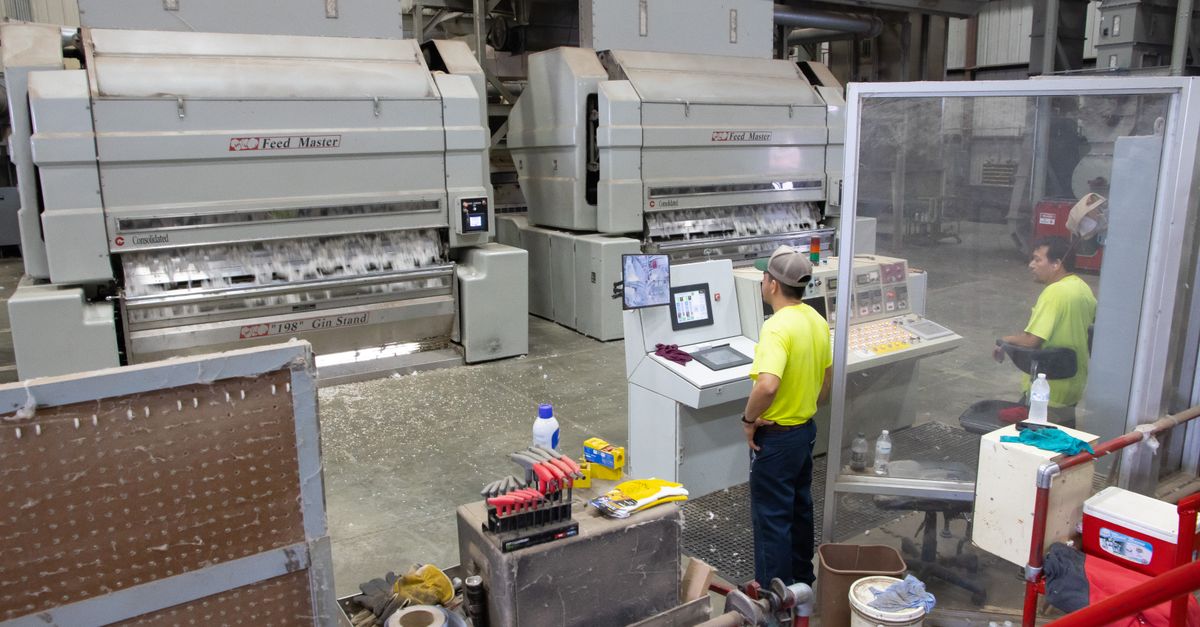
I’ve spent the last decade helping businesses scale and hiring talent across the U.S., but none of my experience feels more grounded than navigating manufacturing opportunities in Charlotte. The city’s industrial corridor is expanding fast, and if you’re looking to jump into a role that blends hands‑on work with technology, this guide will show you exactly how to find, qualify for, and land those jobs.
Charlotte’s manufacturing landscape is anchored by several key sectors—automotive parts, advanced electronics, medical device components, and food processing. Over the past five years, the city has invested heavily in high‑speed rail and logistics hubs, making it an attractive base for manufacturers seeking efficient distribution channels.
1. What Are Manufacturing Jobs in Charlotte?
The manufacturing scene in Charlotte ranges from traditional assembly lines to high‑tech robotics and additive manufacturing hubs. Most employers value practical skills—readiness to work with CNC machines, knowledge of lean processes, and an aptitude for troubleshooting on the fly.
Role Breakdown & Key Responsibilities
While the titles may sound similar, each position carries distinct daily tasks:
- Production Operator: Operates and monitors machinery, ensures line speed meets targets, logs quality metrics.
- CNC Programmer: Translates design files (CAD) into G‑code, tests programs on simulation software, collaborates with machinists to troubleshoot toolpaths.
- Quality Control Inspector: Conducts dimensional inspections using calipers and coordinate measuring machines (CMM), records deviations, initiates corrective actions.
- Maintenance Technician: Performs preventive maintenance schedules, diagnoses electrical or mechanical faults, coordinates with suppliers for spare parts.
Manufacturers value people who can translate technical drawings into real‑world outcomes and who keep safety protocols front of mind. In many Charlotte factories, you’ll find a blend of seasoned veterans and new hires working side by side.
Common Manufacturing Roles in Charlotte
- Production Operator – runs machinery and monitors output
- CNC Programmer – writes code for automated tools
- Quality Control Inspector – ensures products meet specs
- Maintenance Technician – repairs equipment to keep downtime low
When you read a job posting, look for keywords such as “SOP”, “lean manufacturing”, or “ISO 9001”. These terms hint at the company’s culture and expectations.
2. Entry‑Level Opportunities & How to Get Started
Charlotte’s manufacturing sector welcomes fresh talent—especially those who can learn quickly and adapt to evolving machinery. You don’t need a four‑year degree; many roles offer on‑the‑job training.
Many community colleges, such as Central Piedmont Community College or Johnson C. Smith University, offer associate degrees and certificate tracks in industrial technology that align closely with Charlotte employers’ needs.
Navigating the Job Search
Start by creating a list of target companies—companies like Bosch, Honeywell, or local startups listed on the Charlotte Chamber’s Manufacturing Directory. Then, set up alerts on sites such as Indeed, Glassdoor, and the state’s Workforce Development portal.
- Identify your interest: production, maintenance, or quality control
- Search local job boards and company career pages for “entry level” listings
- Prepare a concise resume highlighting relevant coursework or volunteer work
- Request informational interviews with hiring managers to learn their expectations
When you apply, tailor your résumé to each role. Highlight any hands‑on experience—such as building a model car or completing a robotics project in high school—and emphasize soft skills like teamwork and punctuality.
3. Skill Development and Certifications That Matter
While on‑the‑job training is common, having industry certifications gives you a competitive edge. Employers often look for proof of competency in safety standards or machine operation.
Certification Pathways
- OSHA 30‑Hour General Industry: Can be completed online or in person over 4–5 days; many employers cover the fee.
- Six Sigma Green Belt: Requires a 2–3 week course and a project demonstration, providing process improvement credibility.
- CNC Programming Certification (e.g., from the National Institute for Metalworking Skills): Combines classroom theory with hands‑on programming labs; typically spans 6 weeks.
- ASE Certified Technician: Ideal for those interested in automotive manufacturing; focuses on diagnostics and repair of modern vehicles.
Investing a few months in these certifications can shorten your hiring cycle and increase starting salaries. Many local employers partner with training providers, offering tuition reimbursement or discounted rates.
4. Networking and Local Industry Events
Charlotte hosts several industry gatherings that are perfect for meeting recruiters and learning about hidden job openings. These events also give you insight into the latest manufacturing technologies.
Preparing for an Event
Before attending, research the exhibitors and set a goal of meeting 5–7 new contacts. Bring copies of your résumé and a short elevator pitch: “I’m a recent graduate with experience in CNC programming and a strong interest in smart factory solutions.”
Follow‑Up Strategy
Within 24 hours, send a personalized LinkedIn invitation or email referencing the conversation you had. A brief note—“It was great discussing how Charlotte’s manufacturing sector is embracing IIoT,”—helps keep your name fresh in their minds.
- Charlotte Industrial Expo – showcases automation solutions
- North Carolina Manufacturing Association Annual Conference
- Local Chamber of Commerce Workforce Development Workshop
Show up early, bring business cards, and ask for introductions to hiring leads.
5. Salary Expectations, Benefits, and Career Growth
Manufacturing roles in Charlotte offer competitive pay that scales with experience. Below are typical salary ranges for 2026 based on data from local recruiters:
- Production Operator – $35,000 to $45,000 annually (entry) / $45,000 to $60,000 (mid‑career)
- CNC Programmer – $55,000 to $70,000 (entry) / $70,000 to $90,000 (senior)
- Quality Control Inspector – $42,000 to $58,000 (entry) / $58,000 to $75,000 (experienced)
- Maintenance Technician – $50,000 to $65,000 (entry) / $65,000 to $80,000 (lead technician)
Benefits packages often include health insurance, paid time off, and retirement plans. Companies also reward performance with overtime pay or profit‑sharing bonuses. In many Charlotte plants, time‑and‑a‑half is standard for hours worked over 40 in a week.
Career Ladder
Typical progression: Operator → Shift Supervisor → Plant Manager. Each step adds responsibilities such as scheduling, budgeting, and cross‑department coordination. Many employers offer internal training programs to help employees move up the ladder without leaving the company.
6. Applying Effectively – Resume, Cover Letter, Interview Prep
Your application is the first impression you make. Tailor each document to the job description and keep the language clear and results‑focused.
Key Resume Tips for Manufacturing Roles
- Quantify achievements (e.g., “Reduced production downtime by 15% through proactive equipment checks”).
- Include specific tools or systems you’ve used (Moldflow, PLC programming).
- Highlight safety certifications and compliance experience.
Sample Resume Section
CNC Programmer – XYZ Manufacturing, Charlotte, NC
• Designed and tested a CNC program that reduced tool change time by 12% on a milling operation.
• Collaborated with the maintenance team to troubleshoot spindle vibration issues, cutting downtime by 8 hours per week.
Your cover letter should answer two questions: why you’re interested in the company and how your background solves a problem they face. Keep it under one page.
Interview Preparation
Review common technical questions (e.g., “Describe a time you troubleshot a machine failure”) and practice situational responses that showcase teamwork, safety awareness, and continuous improvement mindset. Also prepare to discuss how you stay current with new manufacturing technologies.
In my experience, candidates who bring a portfolio of maintenance logs or CNC code samples stand out to hiring managers in Charlotte. The single most valuable asset is a willingness to learn—manufacturing companies reward curiosity just as much as technical skill.7. Leveraging Technology and Automation in Manufacturing Careers
Automation is reshaping Charlotte’s factories. Understanding how to work alongside robots or data analytics tools can set you apart.
Emerging Tech You Should Know About
- Industrial Internet of Things (IIoT) – connects sensors and monitors performance in real time, enabling predictive maintenance.
- Additive Manufacturing (3D printing) – increasingly used for rapid prototyping and low‑volume production runs.
- Predictive Maintenance Software – uses AI to anticipate equipment failures before they happen.
Seek roles that mention “digital twin” or “smart factory” in the job description; those positions often come with training on cutting‑edge platforms.
Onboarding into Smart Factories
If a posting mentions “digital twin” or “smart factory”, the company will likely provide hands‑on workshops during your first month, covering data collection methods and analytics dashboards.
8. Hiring Trends & What Employers Look For in 2026
Charlotte’s manufacturing employers prioritize adaptability and soft skills alongside technical know‑how. They’re looking for candidates who can:
- Communicate clearly across departments (operations, engineering, quality)
- Show initiative by proposing process improvements
- Adhere strictly to safety protocols while maintaining productivity
In 2026, many manufacturers also value data literacy—comfort with spreadsheets, basic SQL queries, or visualization tools like Tableau. Candidates who volunteer for cross‑functional projects or participate in local industry groups demonstrate the collaborative mindset employers value.
Demonstrating Initiative
Volunteer for a lean six sigma challenge or an automation pilot; document your contributions in a brief report to showcase during interviews.
Summing it up: manufacturing jobs in Charlotte offer a blend of hands‑on work and technology that’s ideal for those who thrive on problem‑solving. Start by identifying the role that matches your interests, build relevant certifications, network locally, and apply strategically with a polished resume and cover letter. Keep learning; the industry evolves fast, but so do the opportunities.
What manufacturing skill or certification has had the biggest impact on your job search success?


